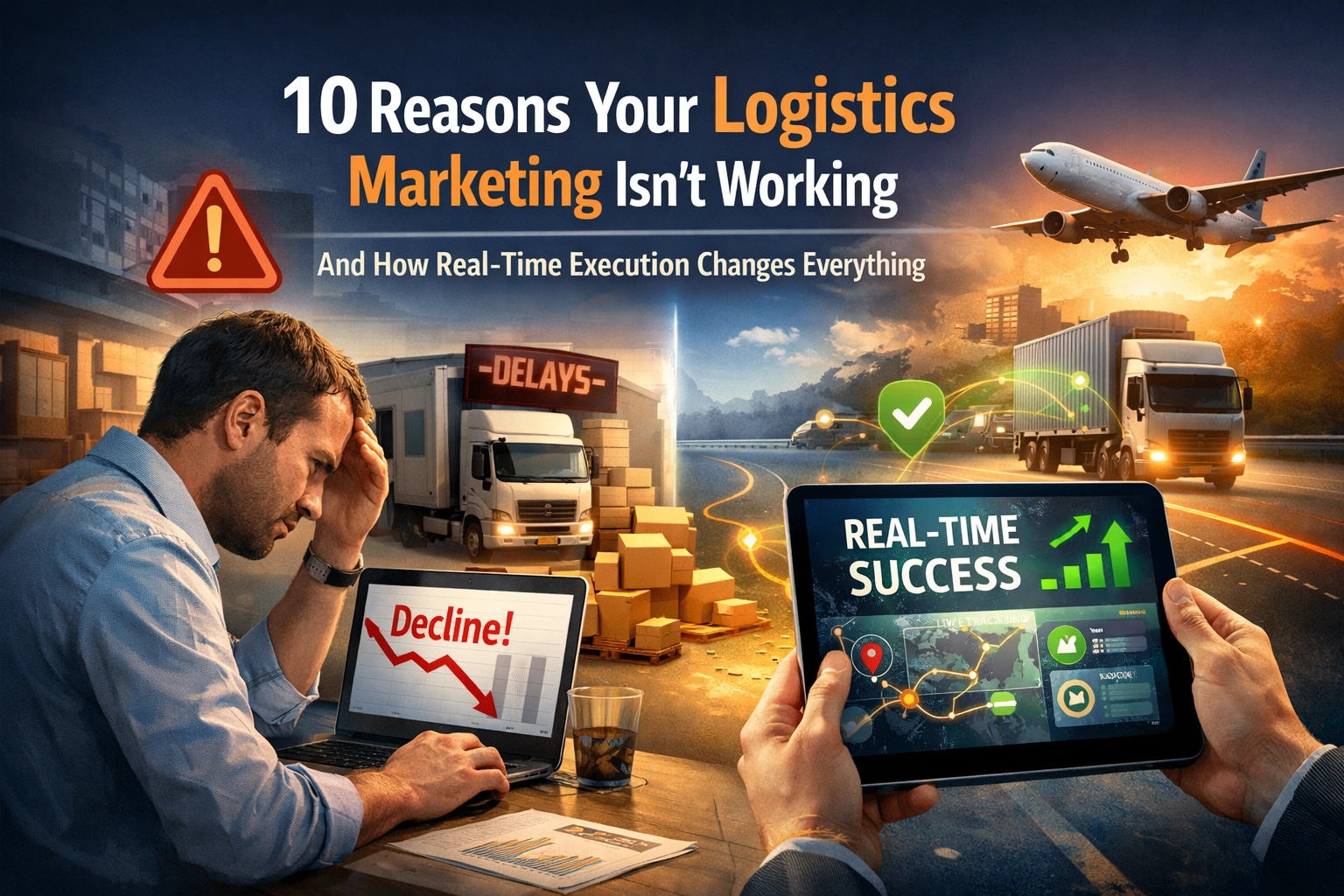
Let's cut to the chase: your logistics company probably has incredible operations, cutting-edge tracking systems, and a fleet that runs like clockwork. But when it comes to marketing? You're still operating like it's 2015.
The logistics industry has always been a relationship-driven business, and there's nothing wrong with that. The problem starts when those relationships are your only marketing strategy. While you're relying on word-of-mouth and your decades-old network, your competitors are capturing leads in real-time, nurturing prospects automatically, and converting at rates you didn't think were possible.
Here's why your logistics marketing isn't delivering results: and more importantly, how modern, real-time execution can fix it.
1. You're Still Waiting on Referrals Instead of Generating Leads
The "relationships will sustain us" mindset is the fastest way to plateau in 2026. Sure, referrals are great, but they're unpredictable and limited by your network's size. Without a consistent lead generation system: both inbound and outbound: your pipeline runs dry the moment your contacts stop sending business your way.
The real-time fix: Modern logistics marketing combines SEO, paid advertising, and content marketing to generate qualified leads 24/7. When someone searches "freight broker near me" or "LTL shipping solutions," your company should be the first result they see.

2. Your Website Looks Like a Digital Brochure From 2008
Here's a hard truth: if your website doesn't load fast, look professional, and clearly communicate your value proposition within 5 seconds, you're losing business every single day. Most logistics websites are cluttered, outdated, and fail to capture leads effectively.
The real-time fix: A modern logistics website needs speed, mobile optimization, clear calls-to-action, and integrated lead capture forms that feed directly into your CRM. Real-time execution means when a prospect fills out a contact form at 11 PM, your automated nurture sequence starts immediately: not when someone checks the inbox on Monday morning.
3. You Have Zero Differentiation in a Commoditized Market
"We offer reliable, on-time delivery with competitive pricing." Cool. So does every other freight company. When you can't articulate what makes you different, prospects default to the cheapest option every time. Price wars are a race to the bottom that nobody wins.
The real-time fix: Develop a clear value proposition that speaks to specific pain points. Maybe you specialize in temperature-controlled pharma shipments, or you have proprietary technology that provides visibility other brokers can't match. Then, use targeted content and SEO for logistics companies to reach people actively searching for those specific solutions.
4. You're Buying Lead Lists and Spamming Cold Contacts
Buying databases and blasting emails to unqualified prospects doesn't just waste money: it actively damages your reputation. Low engagement rates, spam complaints, and poor email deliverability create a downward spiral that's hard to recover from.
The real-time fix: Focus on inbound marketing that attracts people already interested in your services. Create valuable content that addresses their challenges, optimize for relevant keywords, and use retargeting to stay top-of-mind. When someone downloads your "Guide to Reducing Freight Costs," you know they're qualified. That's when personalized, timely outreach actually works.

5. Your Sales and Marketing Teams Operate in Separate Silos
Marketing generates leads, then tosses them over the fence to sales with zero context. Sales complains the leads are garbage. Marketing says sales isn't following up fast enough. Sound familiar? This disconnect kills conversion rates and wastes budget.
The real-time fix: Implement integrated systems where marketing automation and CRM work together seamlessly. When a prospect downloads content, requests a quote, or visits your pricing page three times in one day, sales should be notified instantly with full context. Real-time alerts and lead scoring ensure hot prospects get immediate attention while nurture sequences warm up others automatically.
6. You Can't Track What's Actually Working
You're spending money on Google Ads, maybe some LinkedIn, perhaps a trade show here and there. But can you definitively say which channels drive actual revenue? Most logistics companies have no idea what their true customer acquisition cost is or which marketing activities generate positive ROI.
The real-time fix: Proper tracking and attribution reveal exactly where your best customers come from. With real-time dashboards, you see which keywords convert, which content drives engagement, and which campaigns generate qualified leads: allowing you to double down on what works and cut what doesn't.

7. Your Content Strategy Is "Post When We Remember"
Inconsistent blogging, sporadic social media posts, and outdated case studies signal to prospects that you're not paying attention. Meanwhile, search engines reward consistent, fresh, relevant content: and your competitors are publishing it.
The real-time fix: Develop a content calendar that addresses customer questions at every stage of their journey. Topics like "How to Choose a 3PL Partner" or "LTL vs. FTL: Which Makes Sense for Your Business?" capture search traffic and position you as an industry authority. Modern digital marketing for logistics means publishing consistently and optimizing in real-time based on performance data.
8. You're Ignoring Local SEO and Getting Crushed by Competitors
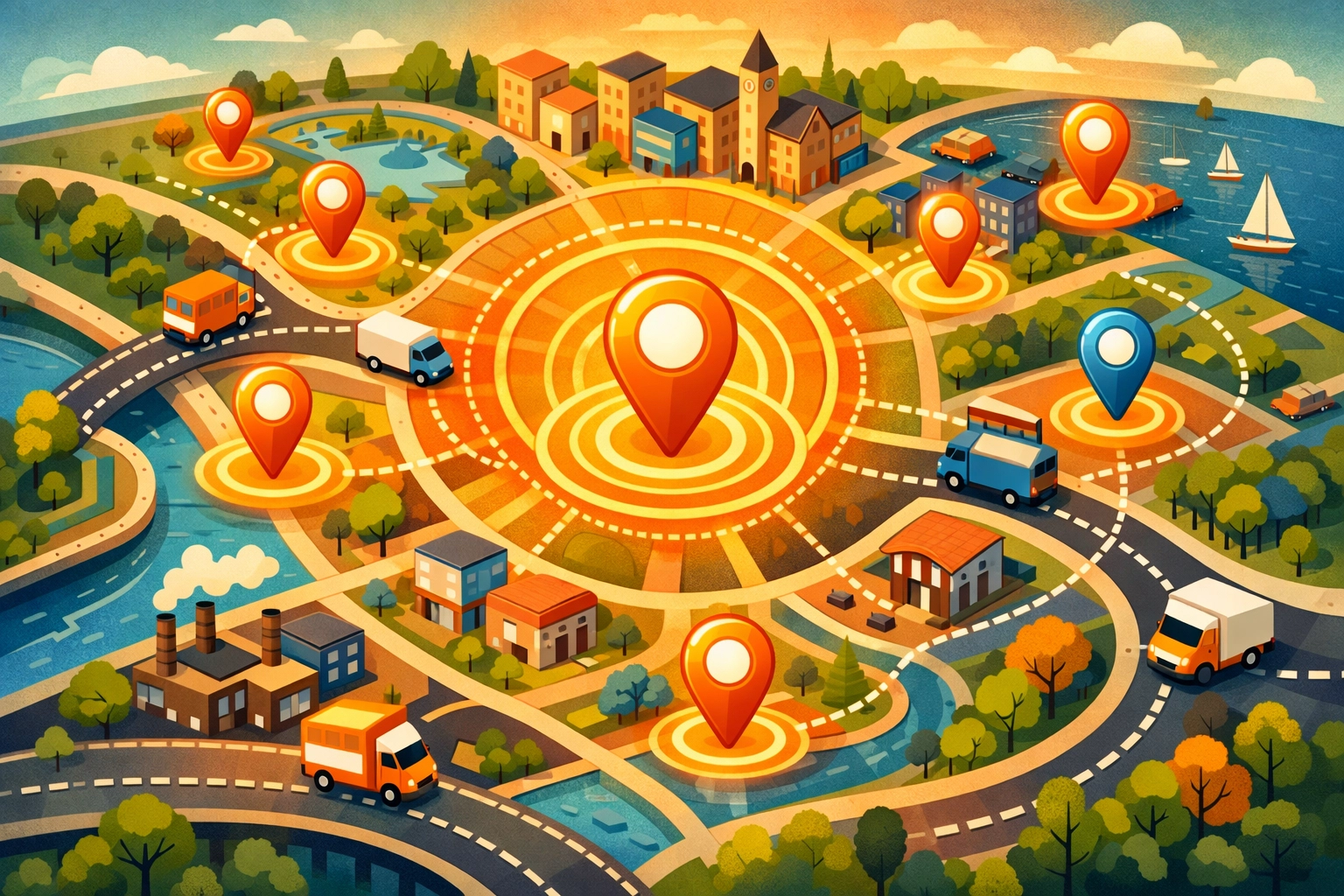
If you're a regional carrier or operate in specific markets, local SEO should be fundamental to your strategy. But most logistics companies have incomplete Google Business Profiles, no local citations, and zero location-specific content. Result? When prospects search for services in your area, they find your competitors instead.
The real-time fix: Optimize your Google Business Profile completely, gather reviews consistently, build local citations, and create location-specific landing pages. Combined with real-time review monitoring and response, you dominate local search results and capture high-intent prospects in your service areas.
9. You're Not Nurturing Leads: Just Letting Them Go Cold
A prospect requests a quote but isn't ready to commit. In most logistics companies, that lead sits in a spreadsheet and maybe gets a follow-up call in two weeks (if they're lucky). By then, they've already chosen a competitor who stayed engaged.
The real-time fix: Automated nurture sequences keep prospects engaged with valuable content, case studies, and timely check-ins. Real-time execution means when someone engages with your email or revisits your website, you're notified immediately. The companies that respond fastest and stay most engaged win the business.
10. You Have No System for Forecasting or Measuring Growth
You can't improve what you don't measure. Without clear metrics for lead volume, conversion rates, sales cycle length, and customer lifetime value, you're flying blind. Budgets become guesswork, and growth happens by accident rather than by design.
The real-time fix: Implement dashboards that track key performance indicators in real-time. Monitor website traffic, lead generation, conversion rates, and revenue attribution continuously. With accurate forecasting, you can set realistic goals, allocate budget strategically, and scale marketing efforts confidently based on data rather than hunches.
The Bottom Line: Modern Problems Need Modern Solutions
The logistics industry runs on efficiency, optimization, and real-time visibility. Your marketing should operate the same way. The gap between your operational sophistication and your marketing approach is costing you customers, revenue, and market share.
Real-time execution doesn't mean working 24/7: it means having systems that work for you around the clock. It means capturing leads the moment they express interest, nurturing them automatically until they're ready, and alerting your team instantly when prospects are hot.
Your trucks don't sit idle waiting for shipments. Your marketing shouldn't either.
Ready to modernize your logistics marketing and start seeing actual results? Let's talk about building a system that generates leads, converts prospects, and scales with your business( all in real-time.)