

Let's cut to the chase: yes, your logistics website absolutely matters in 2026. But not in the way you might think.
The days of treating your website as a glorified digital business card are long gone. Today's shippers aren't just looking for contact information and a list of services. They're evaluating your entire digital presence as a proxy for your operational capabilities. If your website feels outdated or disconnected from modern expectations, they're making assumptions about how you run your business: and those assumptions probably aren't in your favor.
The real question isn't whether your website matters. It's whether you understand what shippers are actually looking for when they land on your site in 2026.
The Landscape Has Changed Dramatically
The logistics industry has undergone a massive digital transformation over the past few years. What used to be a relationship-driven, phone-call-heavy business has evolved into an ecosystem where digital platforms drive decision-making at every level.
Shippers now expect the same seamless digital experiences from logistics providers that they get from every other modern service. They're comparing your website to their banking apps, their retail experiences, and the transportation platforms they use in their personal lives. That's the bar you're competing against.
Your logistics company website design isn't just about looking professional anymore: it's about demonstrating that you operate with the same level of technological sophistication that your prospects demand in their supply chain partners.
What Shippers Actually Expect in 2026
Real-Time Visibility Across All Devices
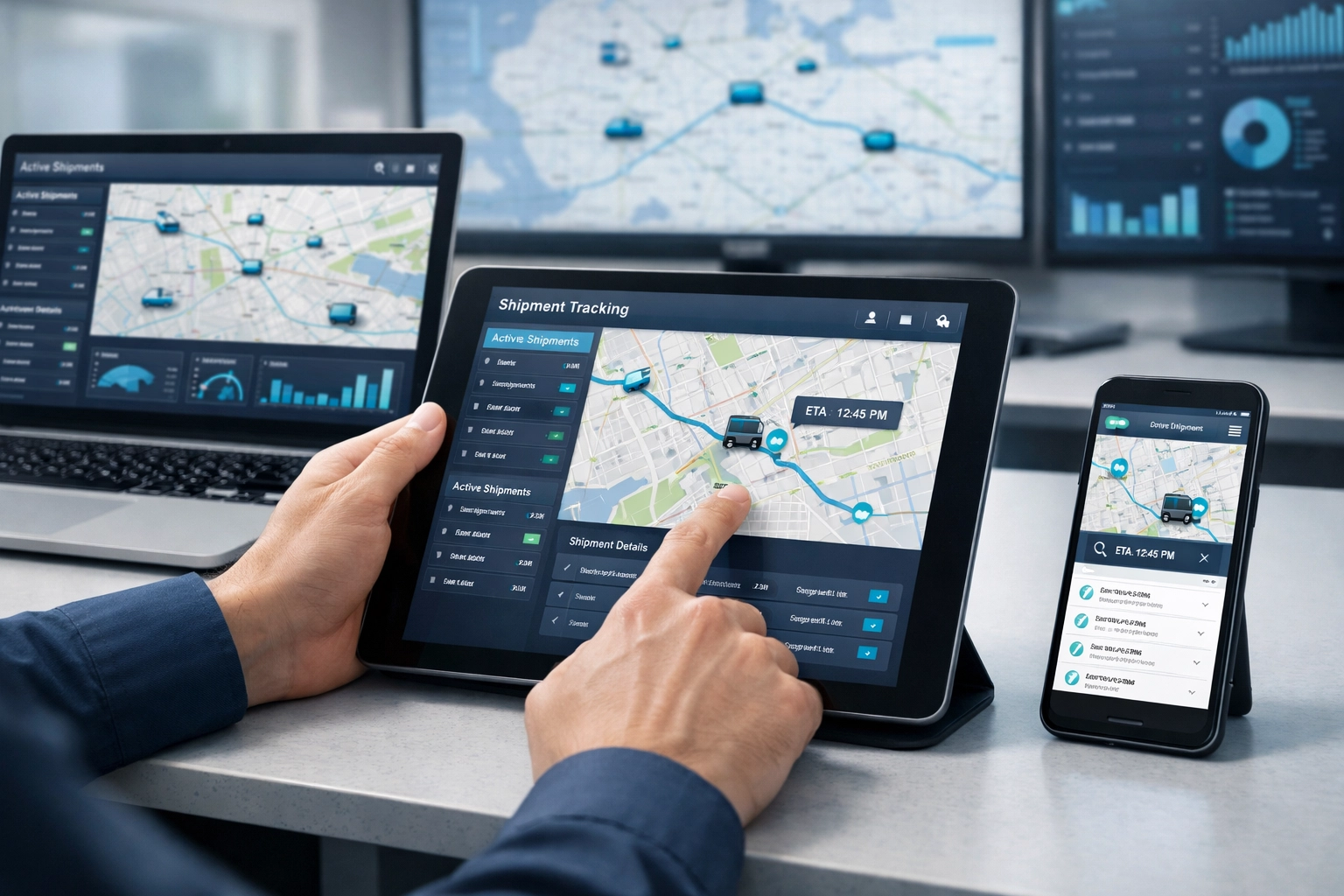
This is non-negotiable. Shippers expect to access shipment information, track loads, and receive updates from any device, at any time. Your website needs to be the central hub of a broader digital ecosystem that includes mobile responsiveness and real-time data access.
The integration between your website and mobile platforms creates the competitive advantage. Platforms that fail to deliver smooth mobile experiences struggle with adoption and efficiency. Your logistics website design must account for the fact that decision-makers are checking updates from their phones during their commute, reviewing dashboards on tablets during meetings, and diving deep into analytics from their desktops.
This means your site can't just be "mobile-friendly": it needs to provide genuinely useful functionality across devices. Shippers want to:
- Track multiple shipments simultaneously
- Access performance metrics and reporting
- Receive automated alerts about delays or issues
- Communicate with their logistics partners instantly
If your website can't facilitate these interactions seamlessly, you're already behind.
Integrated Digital Ecosystems, Not Isolated Websites
Here's where many logistics companies get it wrong: they treat their website as a separate entity from their operational systems. But shippers in 2026 expect unified platforms that connect all your systems into one coherent experience.
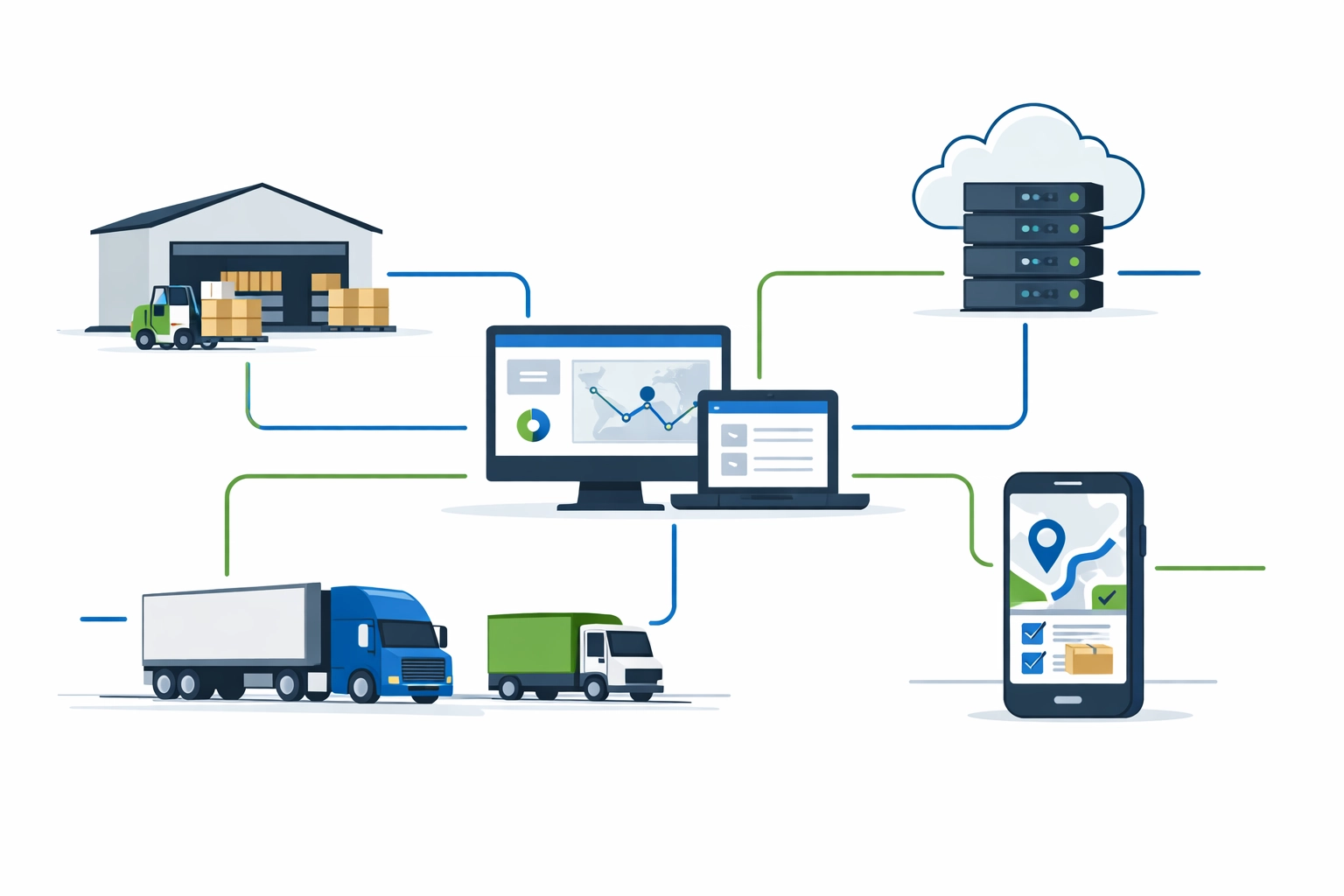
Your website should be the front door to an integrated digital ecosystem. When a shipper logs into your portal, they shouldn't feel like they're interacting with a disconnected marketing site. They should have immediate access to:
- Real-time shipment tracking connected to your TMS
- Instant rate quotes that reflect current market conditions
- Documentation and compliance tools
- Historical data and analytics
- Direct communication channels with your team
Digital freight platforms have become standard components of logistics operations. Shippers can compare rates, track shipments in real time, and make data-driven decisions faster than ever before. If your website doesn't facilitate these capabilities, you're forcing your customers to work harder than they need to: and they'll eventually find a partner who makes their life easier.
API Integration and Automation
Modern shippers increasingly rely on their own technology stacks. They need logistics providers whose systems can communicate seamlessly with their internal platforms through API integration.
This matters for your website because it signals to tech-savvy prospects that you're operating with modern infrastructure. Even if the prospect doesn't need API access immediately, seeing that capability demonstrates you're invested in digital transformation.
Why does this matter so much? Because communication between parties needs to happen in real-time to expedite processes. Shippers don't want to manually enter tracking numbers or download spreadsheets and re-upload them elsewhere. They want automated workflows where systems talk to each other without human intervention.
Your logistics website design should clearly communicate your technical capabilities and integration options. This builds confidence that you can fit seamlessly into their existing operations.
Supply Chain Transparency and Orchestration
Shippers expect end-to-end visibility across partners and systems. They want platforms that provide real-time operational data and turn that information into actionable insights.
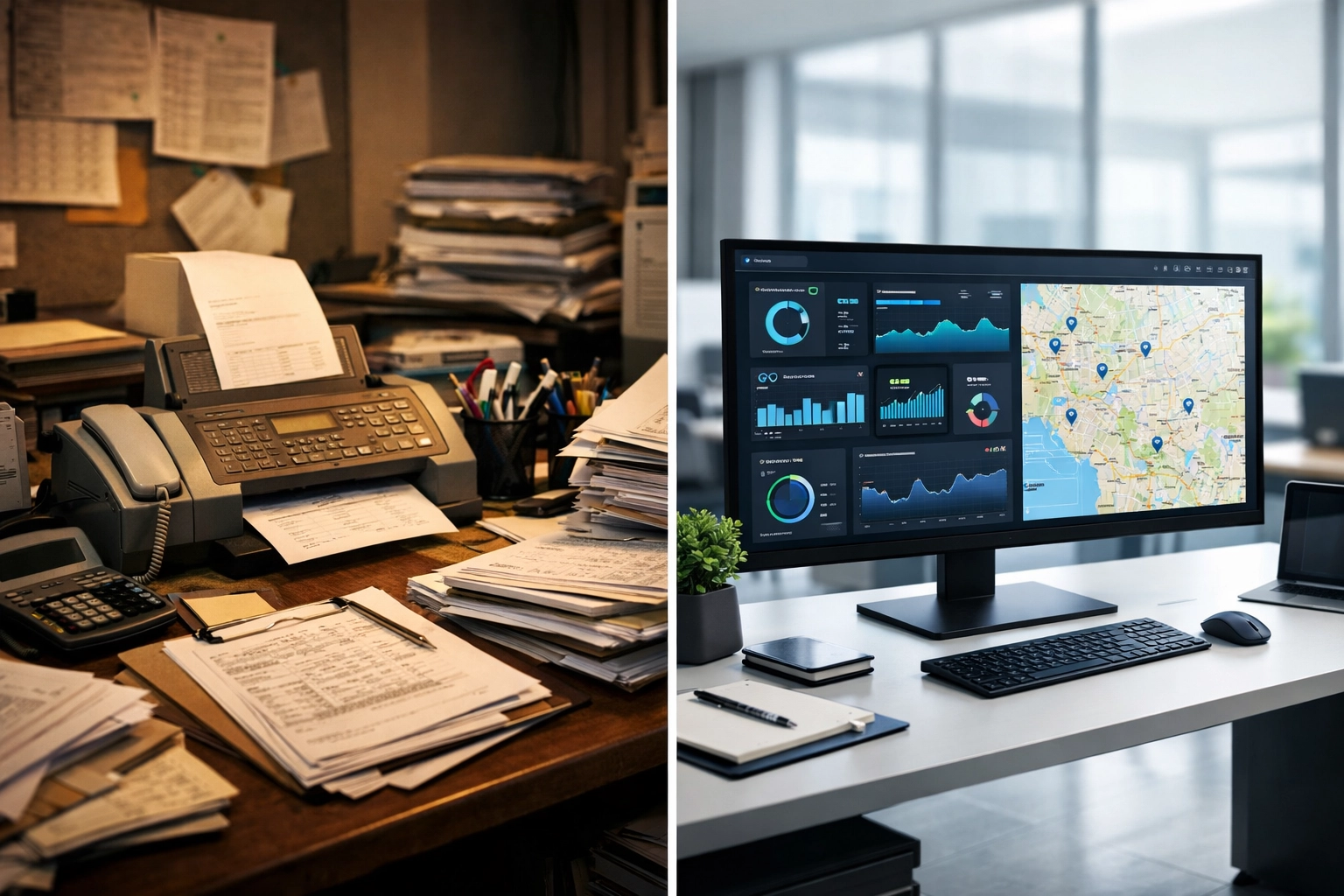
This requires technology that breaks down silos and supports real-time decision-making. Your website needs to demonstrate that you're not just moving freight: you're providing strategic visibility into their supply chain.
Modern logistics company website design showcases:
- Live tracking with exception management
- Predictive analytics for potential delays
- Performance scorecards and KPIs
- Collaborative tools for multi-party coordination
- Integration with their broader supply chain visibility platforms
The more transparency you can provide through your digital presence, the more trust you build with prospects who are evaluating whether you can handle their complex logistics needs.
Why This Matters for Your Bottom Line
Here's the reality: your website is often the first place prospects go to evaluate whether they want to do business with you. If your site looks like it hasn't been updated since 2015, they assume your operations are equally outdated.
But when you invest in modern logistics website design that meets these elevated expectations, you're doing more than just improving aesthetics. You're:
- Reducing friction in the sales process by answering questions prospects have before they even need to call you
- Building credibility that helps you compete for larger, more sophisticated accounts
- Improving customer retention by making it easier for existing clients to work with you
- Attracting better talent who want to work for companies that embrace modern technology
The logistics companies winning in 2026 aren't necessarily the ones with the biggest fleets or the lowest rates. They're the ones who make it easiest for shippers to do business with them: and that starts with your digital presence.
Your Website Is Your Digital Handshake
In 2026, your logistics website is the first impression, the ongoing relationship manager, and the operational interface all rolled into one. It's not just about having a web presence: it's about having the right kind of presence that meets the sophisticated expectations of modern shippers.

The question isn't whether your website matters. The question is whether your current website is helping you win business or costing you opportunities.
If you're competing for contracts against companies with modern, integrated digital platforms, your outdated website isn't just a missed opportunity: it's an active liability. Prospects are making judgments about your operational capabilities based on your digital sophistication, whether that's fair or not.
The good news? This is entirely within your control. Investing in professional logistics company website design that meets modern shipper expectations isn't just about keeping up with trends. It's about positioning your company as the forward-thinking, technologically capable partner that today's shippers are actively seeking.
Your competitors are figuring this out. The question is whether you'll lead the change or scramble to catch up.
Ready to transform your digital presence into a competitive advantage? Let's talk about what modern logistics website design can do for your business.